

When it comes to enhancing the aesthetic appeal and functionality of a space, epoxy surfaces is an exceptional choice as a fantastic option. Known for its strength and adaptability, epoxy provides a seamless and shiny surface that can transform any room, including a garage, basement, or a commercial area. The beauty of epoxy floors lies not just in their smooth texture, but also in the infinite design possibilities they provide. From vibrant colors to creative motifs, epoxy flooring can be adapted to fit the specific aesthetic of any space.
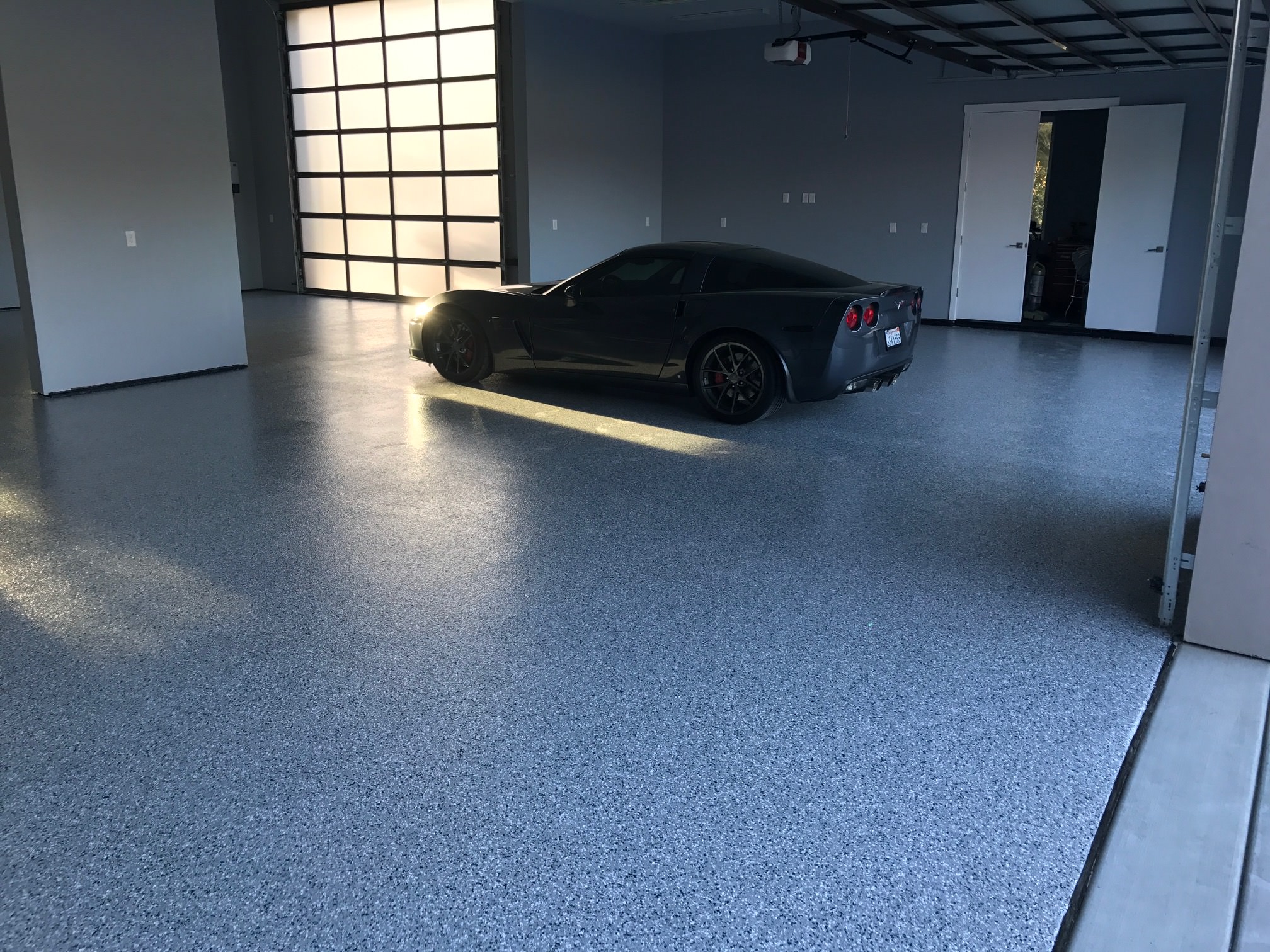
In garages, for illustration, epoxy garage flooring provides a sturdy solution that withstands high footfall, oil spills, and other potential hazards. Meanwhile, basement epoxy not only provides a barrier against moisture and mold but also enhances the overall appearance of an frequently ignored area of the home. As we delve into the aesthetics of epoxy, we will reveal how this flooring selection can revitalize your spaces and make them truly stand out, blending beauty with practicality in a way that few other materials can.
What’s Epoxy Flooring?
Epoxy flooring is a type of flooring that consists of a mixture of resin and hardener. When these components are combined, these elements create a chemical reaction that results in a durable and resilient surface. This system of flooring is known for its glossy finish, which enhances the aesthetic appeal of any space. Epoxy is commonly used in a variety of settings, including home, business, and factory environments, due to its adaptability and strength.
One of the primary benefits of this type of flooring is its ability to withstand high foot traffic and impacts. This makes it an ideal choice for areas such as garage spaces and basements, where durability is crucial. Epoxy for garage floors, for instance, can handle the load of vehicles and resist stains from grease and chemicals, ensuring that the floor retains its integrity over time. Chemical resistant flooring, of epoxy also reduces the likelihood of fractures and chips, making it a practical option for high-traffic areas.
In addition to its practical benefits, this flooring is highly adaptable. It comes in various colors and finishes, allowing homeowners and business owners to select a look that matches their decor style. From metallic finishes to solid colors, the possibilities are endless. This flexibility not only enhances the environment but also increases the value to the property, making epoxy floors an attractive option for those looking to enhance their living spaces.
Benefits of Resin Floors
Epoxy floors are famous for their durability and toughness, making them an ideal choice for high-traffic areas. The composite makeup of resin creates a highly resilient surface that bears impacts, abrasions, and heavy loads. This makes resin floors particularly perfect for garages where vehicles and heavy equipment are often present. Homeowners can feel confident knowing that their floors will maintain their quality and appearance over time.
Another significant advantage of resin floors is its easy maintenance. The flat and non-porous surface prevents the accumulation of dirt, dust, and stains, allowing for straightforward cleaning routines. A quick sweep and occasional mop are generally sufficient to keep the floors looking like new. This low-maintenance feature is particularly attractive for active households and business environments where cleanliness is essential.
Epoxy flooring also offers versatility in design and aesthetics. Available in a variety of colors, patterns, and finishes, epoxy floors can enhance the look of any space. From glossy finishes that reflect light and make areas feel more open to non-slip surfaces that add grip, homeowners and businesses can customize their floors to match their design preferences. The ability to create unique designs adds an element of sophistication and modernity to basements and various spaces where resin is used.
Varieties of Resin Flooring
If you are thinking about resin flooring, it is crucial to familiarize yourself with the different kinds offered to fulfill your individual requirements. A of the most common options is the workshop surface epoxy. This type is engineered to endure significant foot traffic and withstand stains from liquids and substances. It delivers a long-lasting surface that upgrades the complete appearance of your workspace while providing the advantages of convenient maintenance and enduring performance.
An additional adaptable choice is lower-level epoxy surfaces. This kind is ideal for spaces prone to dampness since it creates a smooth barrier that assists halt fungus and fungus growth. With its moisture-resistant features, basement epoxy surfaces not only protects your foundation but also allows for a luminous and neat aesthetic, transforming a traditionally dim area into an inviting area.
Regarding business areas, heavy-duty epoxy surfaces is specially designed to manage elevated people movement and large equipment. This type of resin flooring is often employed in storage facilities, factories, and retail spaces due to its durability and slip-resistant properties. With Basement floor epoxy, and finishes provided, commercial-grade epoxy flooring can boost both usability and visual appeal in demanding settings, making it a preferred choice for business owners.
Application Process for Epoxy
The application process for epoxy requires careful prepping and detailed attention to ensure a long-lasting and aesthetic finish. Initially, the surface must be thoroughly cleaned and fixed. This may involve grinding the concrete to get rid of any existing coatings, dirt, or imperfections. For garage floor epoxy, it is crucial to patch up cracks and holes to create a level surface. Humidity levels should also be monitored to ensure proper adhesion of the epoxy.
Once the surface is prepared, a primer is often applied to improve the bond between the concrete and the epoxy. After the primer dries, the epoxy material is mixed according to the manufacturer's instructions and applied using a rubber blade or paint roller. It is crucial to work in small areas and maintain a wet edge to prevent visible seams. For cellar epoxy flooring, ensuring uniform application is essential, as it can enhance the overall look and performance of the floor.
After applying the epoxy, the floor should be allowed to cure for the recommended time before applying a final layer, if wanted. This final layer can add an additional level of durability and aesthetic appeal. Once fully cured, the epoxy floors will provide a glossy, high-performance surface that is not only visually striking but also resistant to stains, chemicals, and wear, making it an ideal choice for workshops and cellars alike.
Recommendations for Resin Coatings
To keep your epoxy floors appearing pristine, frequent cleaning is important. Begin with a basic routine: sweep or vacuum the floor to remove dirt and debris. Following Epoxy flooring Omaha, , mop the surface with a light detergent diluted with water. Avoid harsh chemicals or abrasive tools that could harm the epoxy coating. This routine should be done weekly to retain the shine and look of the floors.
Dealing with spills immediately is another vital aspect of caring for epoxy floors. Since the surface is impermeable, most liquids can be readily wiped up to stop stains. For unforeseen stains, such as oil or paint, use a soft cloth or sponge with a mild cleaner to lift the stain. Always test a small area first to make sure that the cleaner does not affect the finish of the epoxy.
Lastly, keep an eye on high-traffic areas where wear is more susceptible. Consider placing rugs or mats at entry points and heavy-use areas like garage and basement flooring to reduce abrasion. If you notice any scratches or dull spots over time, a light buffing with a non-abrasive pad can bring back the floor's shine. Consistent inspection and care will confirm that your epoxy floors stay a aesthetic and durable part of your space.